
Sometimes the Hardest Part of the Day Happens Before It Even Begins
A mother recently told me about the part of the day she dreaded most. Not the evening. Not the middle

A mother recently told me about the part of the day she dreaded most. Not the evening. Not the middle

There are moments that stay with parents forever. Not because something dramatic happened. Because nothing happened at all. Your child

There’s a specific kind of exhaustion that doesn’t always look serious from the outside. You’re still going to work. Still

You just got your diagnosis. Maybe it’s anxiety, depression, bipolar disorder, PTSD — or something that feels more confusing than

You’ve built an identity that people recognize. The fun one. The fearless one. The one who says yes, tells stories,

There’s a specific kind of pain that doesn’t scream. It whispers. It shows up in the quiet moments — brushing
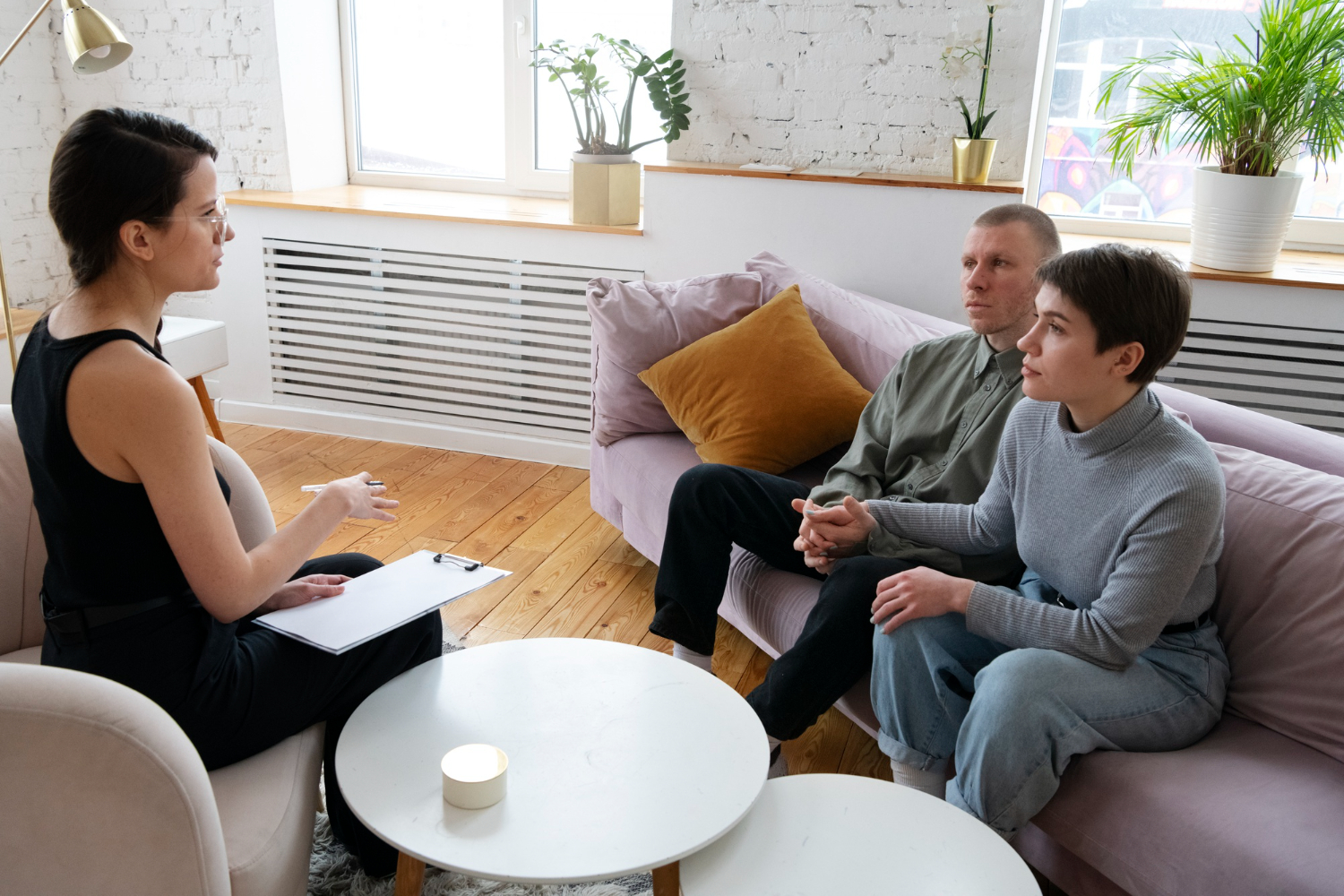
You love someone who’s using. They say they’re fine. They say it’s not that bad. They promise they’ll slow down—after

You’ve done everything you know to do. You’ve tried talking. You’ve tried giving space. You’ve tried calling therapists, Googling symptoms,

You love someone who’s struggling. They say they’re okay. You know they’re not. They’re still going to work (sometimes). Still

Some people leave treatment quietly. Maybe you missed one day, then another. Maybe life felt too overwhelming, too fast, too