
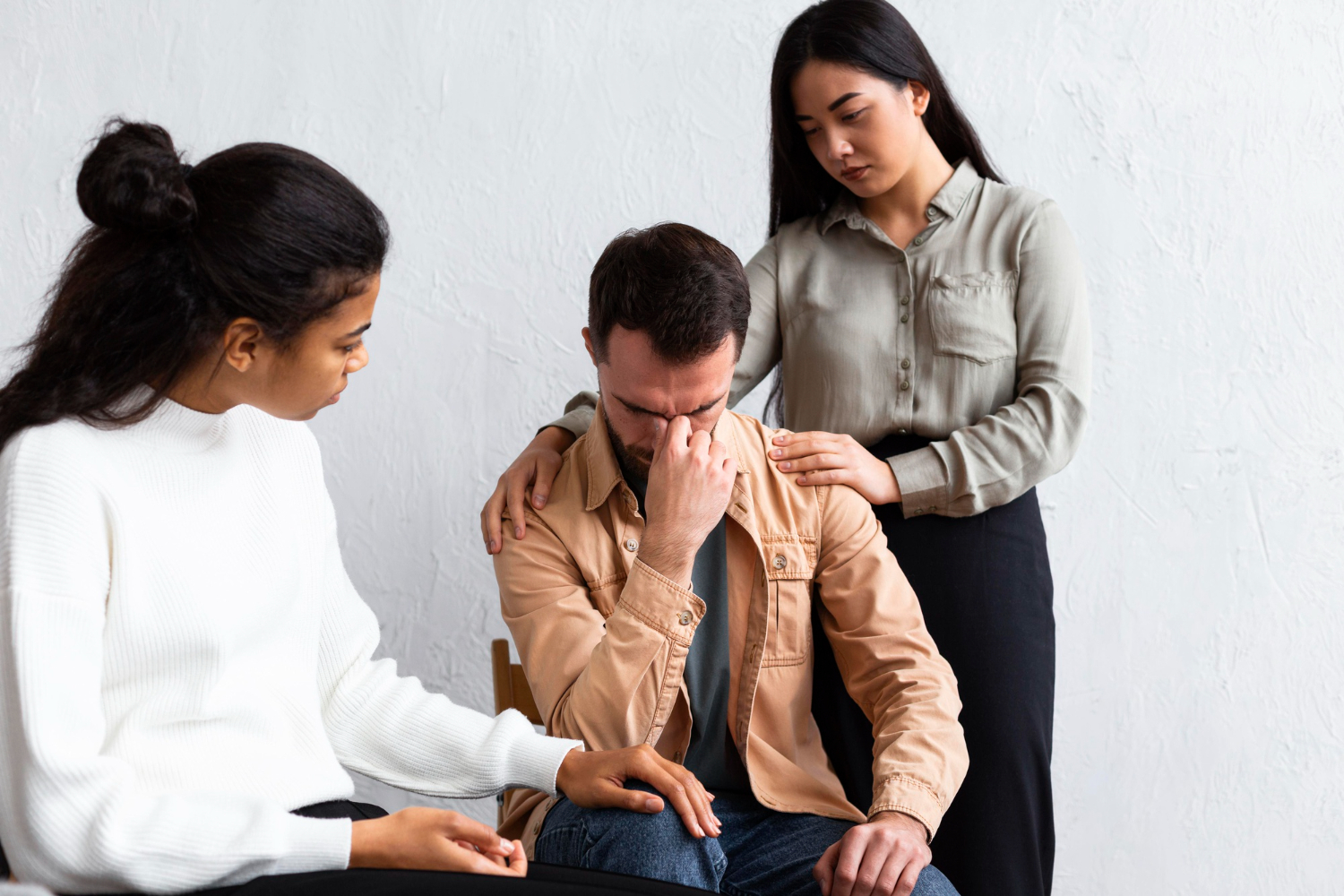
We remember you.
Maybe not every detail. Maybe not your last check-in date or favorite group room chair. But we remember your courage. Your voice in group. The first time your eyes lit up when you realized you weren’t alone.
And if you’re reading this now—after some time away, maybe after a hard season—you might be wondering if you’re still welcome.
The answer is yes.
Coming back to a depression treatment program after a setback isn’t a failure. It’s an act of deep self-respect. And we know how hard it is to take that first step again, especially when part of you feels like you “should’ve been better by now.”
But you’re not starting over. And you don’t have to walk in carrying shame. You just have to walk in.
It Doesn’t Have to Be a Big Crash
Sometimes, relapse looks dramatic. But more often? It’s subtle. You stop texting back. You let the dishes sit longer. You start skipping your morning routine—not out of defiance, just because it’s too much.
Then one day, you wake up and realize: I’ve slipped.
Maybe no one else notices. Maybe you still show up at work. Maybe you even laugh at the right moments.
But something’s off. Something’s heavy again. And instead of staying stuck in that quiet slide, you’re considering something bold: reaching back out.
That alone is healing in motion.
You’re Not the Only One Who’s Come Back
Many of the people we’ve welcomed back had months—or even years—of stability under their belt. They did the work. They felt the difference. And then life shifted. Slowly, or all at once.
- A breakup
- A job loss
- A wave of grief they weren’t expecting
- Or just the weight of trying to stay “okay” on their own for too long
Relapse isn’t a full erasure. It’s a reminder: healing is still happening.
We’ve welcomed people back from Plymouth County, MA who thought they had used up all their chances—who believed their depression returning meant they had failed. What they found here wasn’t judgment. It was a hand extended, quietly, with the same warmth as before.
Your Previous Work Still Matters
This is one of the biggest fears alumni share when they return: “Will I have to start all over?”
The answer is no.
You are not the same person who first walked through our doors. And your progress didn’t disappear just because symptoms came back.
Healing is stored—sometimes deep, sometimes quiet—but it’s still there. Your time in therapy before still counts. Your insight still exists. You don’t have to redo it. We’re just picking up where you left off, with new context and compassion.
You Can Return in the Way That Fits You Now
Re-entering doesn’t have to mean repeating.
Some alumni come back needing full-time programming. Others just want a place to check in, re-stabilize, and reconnect with what once worked. We offer a range of support—because we know the second chapter of care often looks different than the first.
You might benefit from:
- A new primary therapist
- Adjusted medication or symptom management strategies
- Trauma-focused sessions that weren’t part of your first stay
- Groups focused on long-term maintenance and reentry into community life
For alumni coming back from places like Bristol County, MA, we often start with a gentle, no-pressure consultation. You don’t have to commit to anything just to have a conversation.
Sometimes, just saying out loud that you need something again is the bravest step of all.
Shame Doesn’t Live Here
You might be carrying this quiet voice in your head: They won’t want to see me again. They’ll be disappointed.
Let us be clear: we’re not disappointed.
We’re honored.
It takes strength to return when you feel like you’ve let yourself down. It takes wisdom to know when you need more support. It takes heart to believe you’re still worth the effort.
And if you’re not sure you believe that yet—we’ll hold the belief for you until you do.
How We Gently Re-Engage You
Coming back can feel awkward. We know that. So we make it simple and human:
- First Contact: Whether you call or email, we’ll meet your tone. No hard pitch. No assumptions. Just a conversation.
- Reassessment: We’ll talk about what’s changed, what’s come up, and what you need now.
- Custom Re-Entry Plan: Maybe you want something different than before. That’s welcomed. We’ll build a plan that reflects who you are today.
- Soft Transitions: If you’re nervous about groups or meeting new clinicians, we’ll ease you in. You set the pace.
You don’t have to perform resilience to be welcomed. You just have to be honest.
You’re Still You—And You Still Belong
Even when things go quiet.
Even when you feel like a shadow of who you were.
Even when part of you wants to give up before you begin again.
You are still someone worth caring for. And you still belong in spaces made for healing.
Our treatment options in Massachusetts were built to support full-circle journeys. Not just beginnings, but returns. Not just breakthroughs, but the parts where it feels like you’re slipping. Again.
We will meet you with presence, not punishment. With steadiness, not scrutiny.
FAQ: Coming Back After Relapse
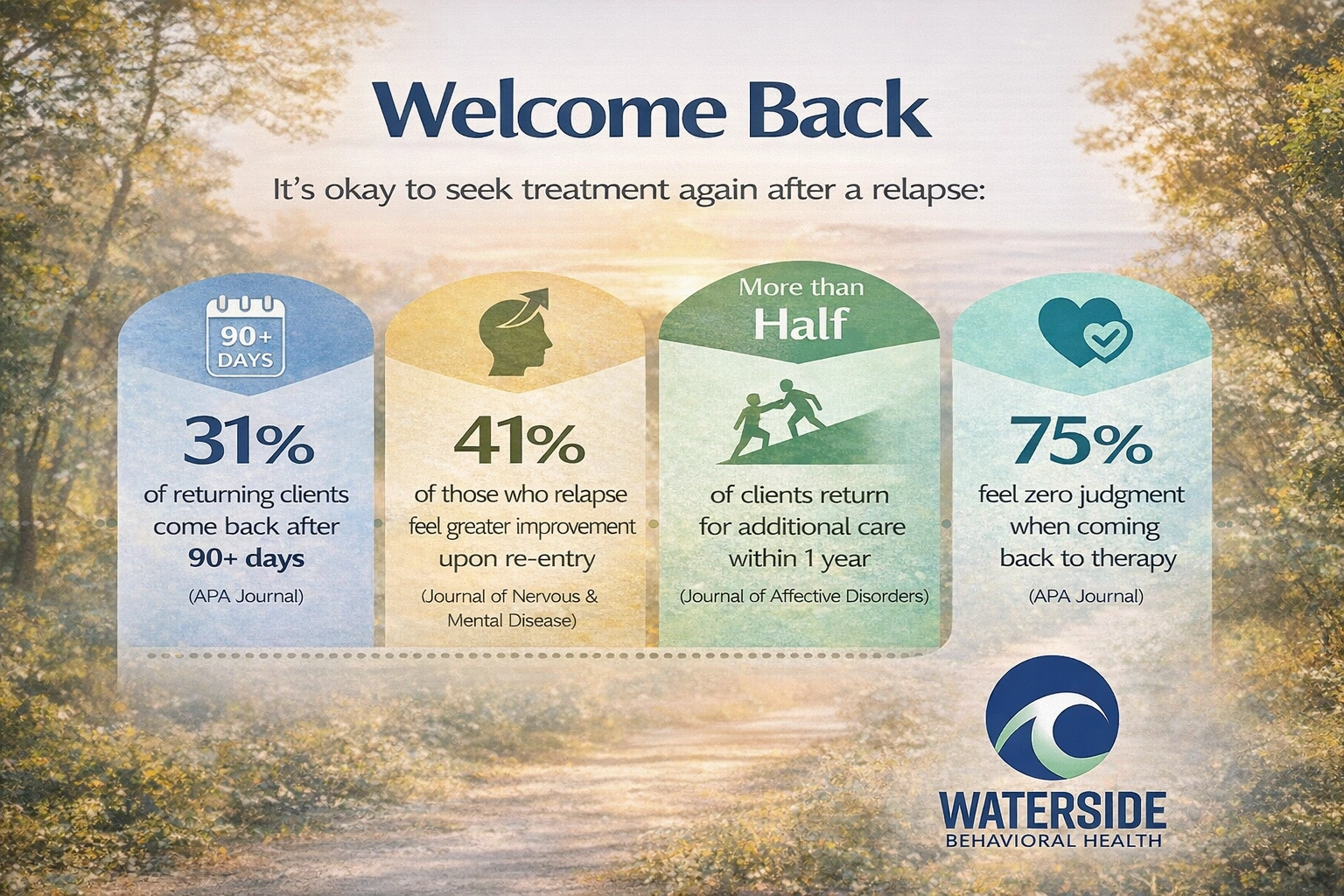
Is it common to return to treatment after 90+ days?
Yes. It’s more common than people realize. Depression is often cyclical, and it’s not unusual for symptoms to return even after long stretches of stability.
Will I have to start from scratch?
No. We recognize and honor the work you’ve already done. Your treatment will be adjusted to reflect where you are now—not where you started.
Will people judge me for slipping back?
Absolutely not. Relapse is part of the recovery experience for many. Our staff is trained to meet you with compassion, not criticism.
Can I change my therapist or treatment plan from before?
Yes. Many returning alumni request different clinicians or modalities. We support tailoring your care to fit your current needs and preferences.
Do I need to be in crisis to return?
No. You don’t need to wait for things to fall apart. If you feel off, disconnected, or unsure of your direction, that’s enough to reach out.
You’re Still Welcome Here—Exactly as You Are
You don’t have to be doing well to come back.
You don’t have to “earn” another chance.
Call 774-619-7750 to learn more about our depression treatment program services in Massachusetts.
You’ve done brave things before.
Coming back might be one of them.